"Im just a girl thats all you l let me be" No doubt
Since the Barbie movie premiered in July 2023, the term girlhood has been popular across all social media platforms and with that conversations started about femininity and womanhood. Around the same time terms like Barbiecore and coquette exploded on platforms such as TikTok and Instagram
Despite these aesthetics being framed as a "cute" and "girly" ways to romanticise life , there is undeniably something disturbing in teenagers participating in the trend using high pitched voice
Through trends like this we can easily find the well hidden tendencies on women infantillisation. In fact women infantillisation and girl sexualisation (which are essentially two sides of the same coin) have been thrived for centuries.
In ancient Greece pedophyllic relationships were extremely normalised with men being in relationships with young boys. Women were also heavily compared to young boys. Both were dominated by the man and they were in the same social level. The comparison of women to younger boys was rooted in the belief that women were weaker and less developed.
In the Victorian times the ideal woman should be pure angelic
In the 1920s women were pressured due to fashion trends to start shaving. These created the idea that women should be hairless mimicking little girls. As Christine Hope in “Caucasian Female Body Hair and American Culture’ writes
"the absence of body hair is signified as feminine, and hairiness as masculine"
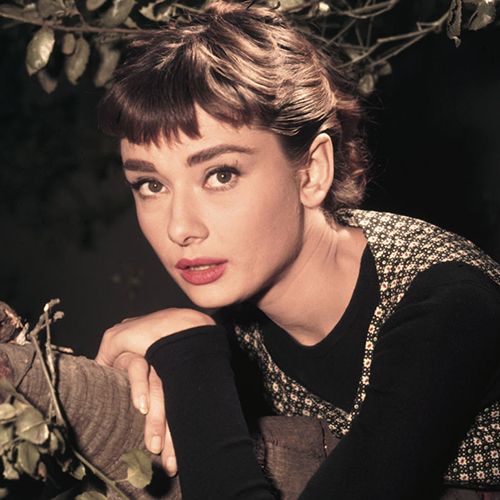
In the 1950s women in Hollywood movies were being portrayed as dumb damsells in destress with high pitched voice with major example of that being Marilyn Monroe and Audrey Hemburn who in the movie Sabrina portrayed the lover of a 55 year old man
In the 80s the teenage at that time Brooke Shields was portraying a teenage prostitute for the movie Pretty Baby and got photographed for a Playboy magazine spin off with the photographer who took her pictures describing her as" a young vamp and a harlot a seasoned sexual veteran a provocative child woman an erotic and sensual symbol the Lolita of her generation"
In the early 2010s when Tumblr thrived the coquette or nymphette aesthetic became popular among teenage girls who would pose wearing lingerie or on provocative photos.
A heavy emphasis on the coquette community was Vladimir Nobokov's 1954 novel Lolita which describes the relationship between a teenage girl and an older man who was supposed to be her parental figure. Nobokov based his book on his own experiences from his uncle who sexually abused him when he was 8. When he published Lolita he specfically asked the publishers not to include photos of young girls on the cover so it won't diminish the message and the impact of the story.However most Lolita covers feature a young girl licking a lollipop , an ice cream or wearing heart sunglasses
In the late 2010s brands trying to profit of women infantillisation by becoming girly
as Jessica Cross writes :
"adulthood is a term that seems to be wielded most frequently by young women-and the pastel-bedecked brands- to signify their completion of growing up "
Trends like girl dinner in which women show their unaesthetic dinners -which mostly contain fast and junk food- might seem empowering at first breaking the stereotypes that women should be perfect housewives but after some time we begining to realise how childlike they feel. For example eating a bag of chips is something a person would do as a child while his parents weren't there. The replacement of the word woman with the word girl can also be found in various aesthetics such as clean girl that girl sad girl or it girl.
It is clear that these behaviours are used as a coping mechanism for women who have been brainwashed into thinking that aging means death.
In todays day and age and despite the evolution of the feminist movement we see the same infantillisation trend in various media.A major example of that is Sabrina Carpenter who had previously sparked controversy for her girly almost childlike aesthetic witch many think that should not be embraced as an artist whose songs are quite mature. Carpenter had allegedly referenced Lolita in the past while along side other celebrities like Addison Rae trying to be the "new Britney Spears" referencing her outfits and performances
In the hit Nickelodeon series Victorious the character of Cat Valentine had evolved from a naive teenager to disturbingly childlike while she has also been heavily sexualised.It is also implied that the actress behind the character Ariana Grande has also infantillise herself by wearing long and baggy clothes.
In Mean Girls one of the most iconic scenes is when the Plastics dressed up as Sexy Santa Claus perform a dance in front of the school. This movie also popularised the oversexualised image of a girl asking Santa for presents and it has being parodyed in various shows such as SNL and Community.
In the Divergent series Veronica Roth repeatedly describes the main character Tris as being to short and petite in comparisson to Four who was the love interest. This dynamic was used in various ya books but became popular when the dark romance genre became mainstream. In 50 shades of Grey the costume designer specifically designed Anastasia's Steel costume in a way that would reming of a little child
There are many other examples where women are being infantillised such as the nicknames "young lady" and "missy", the sexy schoolgirl costumes , Victoria Secret ,various Vogue covers , Kpop and the belief that men should age in order for them to be sexier while women have to be as young as possible
The reason while women would infantillise themselves -and in a way benefiting men-is purely psycological. As humans we learn to be protect everything that looks pure and innocent. We admire it we want to protect it and sometimes we are even attracted to it (think the sexualisation of religion)
A 2017 study discovered that man would rate higher women with extremely high pitched voices.
Another evidence that supports the theory that was mentioned above is the evolution of kid's cartoons. Lets take Mickey Mouce for example. The original Mouse, Stephen Jay Gould has observed, was a kind of nasty character. But, as he has evolved into the “cute and inoffensive host to a magic kingdom,”
he has appeared increasingly childlike.It is also important to remember that these redesigns of the characters are mostly done to cartoons aimed for little girls (think My Little Pony and Strawberry Shortcake)
Steve Kreig had refered to his 33-year-old female political opponent as ‘a little girl who can always run home to mommy and daddy’. By tolerating behaviours such as infantillisation and sexualisation we are being degraded and objectified while feminine women and traits are being falsely blamed and men are benefiting
It is important to remember that these trends have only negative aspects
A deep dive in the beauty standards "Women are not supposed to be put in boxes. We are not Barbie dolls—and never will be—so defying society’s standards is how we learn to love our true, authentic selves. If you want to put on a full face of makeup, do it. If you are hungry, eat a meal. If you don’t want to shave, then don’t." The Sartorial magazine Beauty standards are culturally and historically specific ideals of physical attractiveness, defining desirable traits like body shape, facial features, skin tone, and grooming, heavily influenced by media and societal norms, often leading to unrealistic expectations https://sartorialmagazine.com/beauty/2023/11/15/unrealistic-beauty-standards and negative mental health impacts, though movements for body positivity challenge these narrow views The first example of beauty standards can be seen as early as the Paleolithic Age ( 25,000 BC ) Venus of Willerdof represents the ideal standa...
Represantation cant replace good story "...we both know how hard it is constantly being on guard, weighing every word, every move. "The idea of March" Tom Duffy Pop culture isn’t just wallpaper—it’s the architecture of our inner lives. Every frame, every casting choice, every storyline is a brick in the foundation of what we believe about ourselves and others. According to research by the USC Annenberg Inclusion Initiative (2023), audiences increasingly demand authentic and varied representation because what’s on screen seeps intothe collective consciousness, normalizing identities and influencing real-world policy debates . https://www.tasteray.com/articles/movie-representation-movies If we actually judge movies of the last decades not based on the storyline or the messaging but whether on how inclusive they were, then we are lacking. Since Hollywood first became mainstream it was a white dominated industry with white actors portraying black and asia...
Celebrities are NOT your friends “You have made us for yourself, O Lord, and our hearts are restless until they rest in you, and find their joy in praising you.” (St Augustine) It is common for people to judge other solely based on their image and not on who they are in reality.The biggest example of that are celebrities and the worship coulture Since the beginning of time there were many cases in which people worship other people as gods.In ancient Egypt and other civillizaiton their leader was gifted with god-like abillities. In Rome , gladiators were like celebrities promoting products, selling small statues of themselves and gaining millions of fans. In recent years the same role was held by the Royal family For the people who worship these "gods" admiring them wasnt enough. They had to idolise them portraying them as the perfect humans. https://maggietauber.medium.com/celebrities-are-not-your-friends-cee052562fe7 The Celebrity Bias effect has thrived for years and it w...

.jfif)


 There are many other examples where women are being infantillised such as the nicknames "young lady" and "missy", the sexy schoolgirl costumes , Victoria Secret ,various Vogue covers , Kpop and the belief that men should age in order for them to be sexier while women have to be as young as possible

Σχόλια
Δημοσίευση σχολίου